Poetry Library
Every poem here is public domain and comes with a plain-English meaning, a close reading, and notes on what a writer can steal from it.
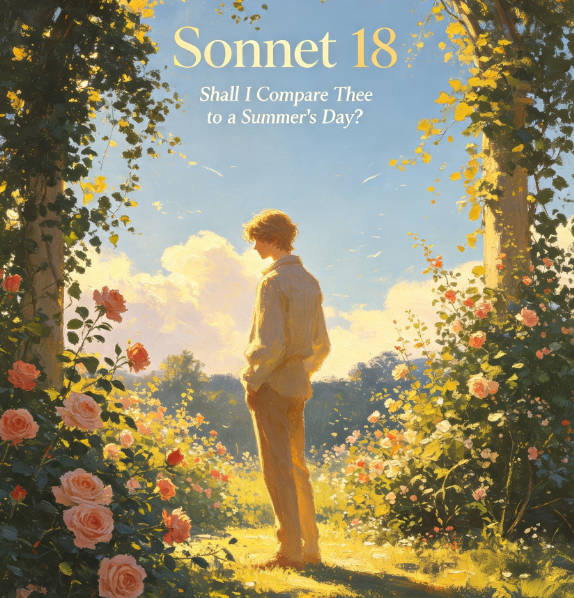
Sonnet 18: Shall I Compare Thee to a Summer's Day?
William Shakespeare · 1609
Shall I compare thee to a summer's day? / Thou art more lovely and more temperate.
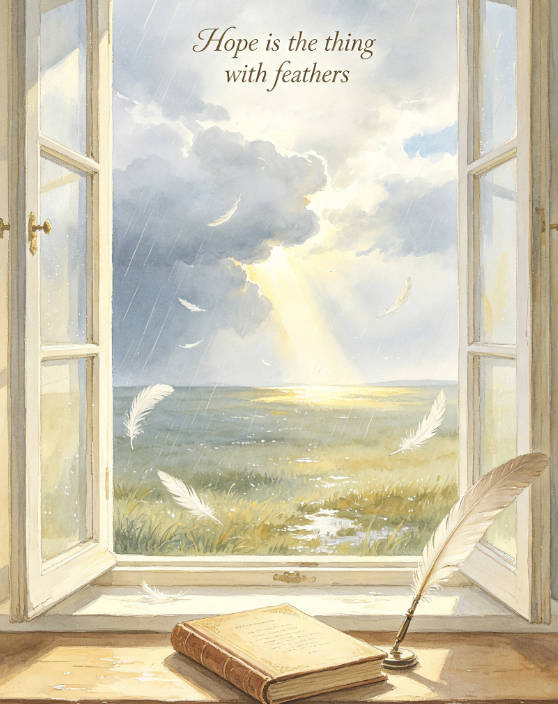
"Hope" is the thing with feathers
Emily Dickinson · c. 1861
"Hope" is the thing with feathers - / That perches in the soul -
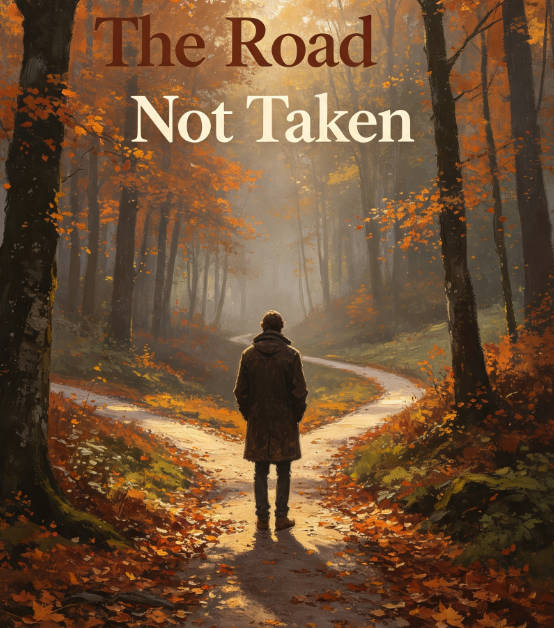
The Road Not Taken
Robert Frost · 1916
Two roads diverged in a yellow wood, / And sorry I could not travel both
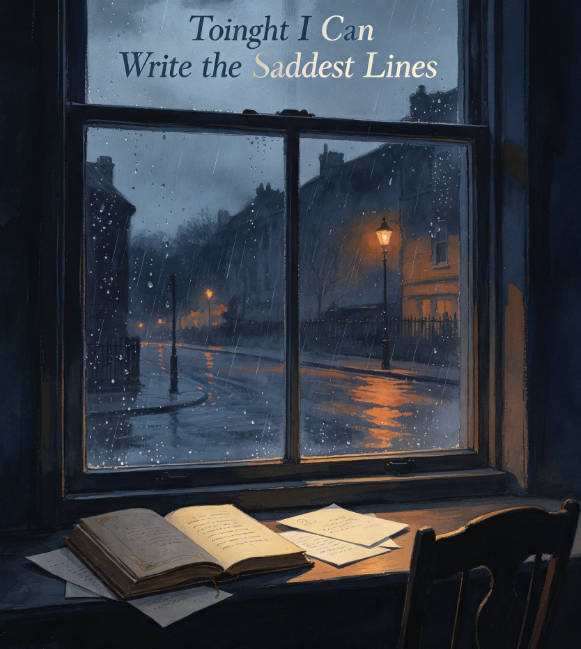
Tonight I Can Write the Saddest Lines
Pablo Neruda · 1924
Tonight I can write the saddest lines. / Write, for example, 'The night is starry...'
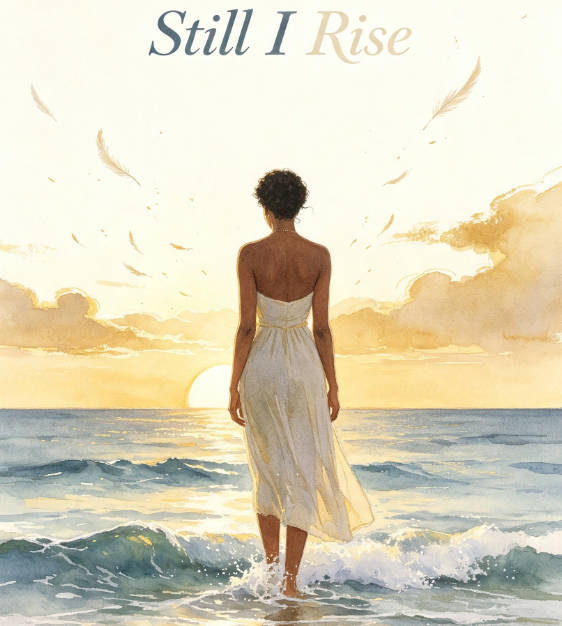
Still I Rise
Maya Angelou · 1978
You may write me down in history / With your bitter, twisted lies...
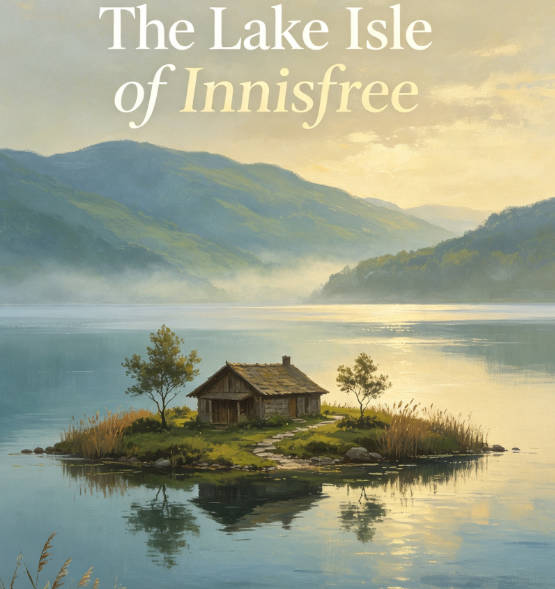
The Lake Isle of Innisfree
W. B. Yeats · 1888
I will arise and go now, and go to Innisfree
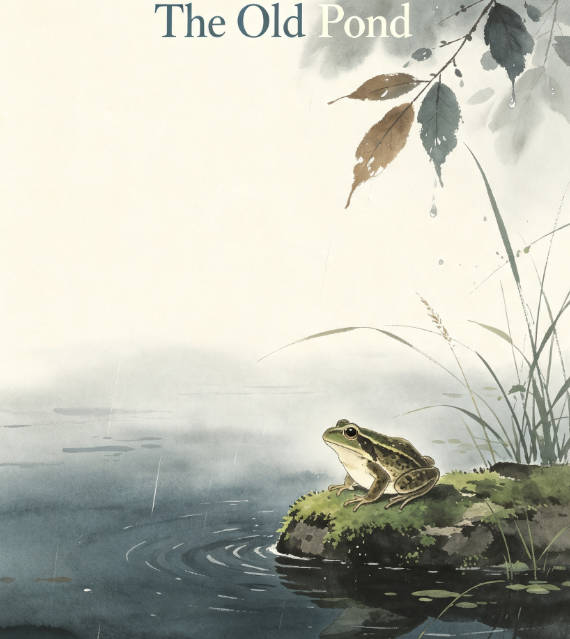
The Old Pond
Matsuo Bashō · 1686
An old silent pond / A frog jumps into the pond— / Splash! Silence again.
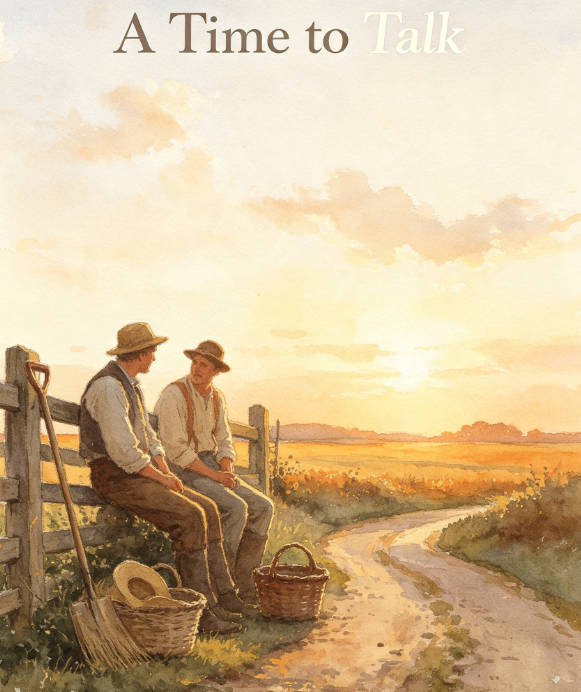
A Time to Talk
Robert Frost · 1916
I don't stand still and look around / On all the hills I haven't hoed
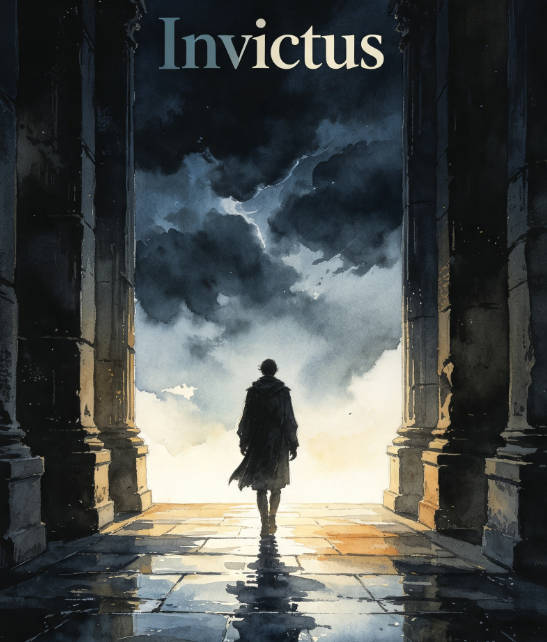
Invictus
William Ernest Henley · 1875
I am the master of my fate, / I am the captain of my soul.
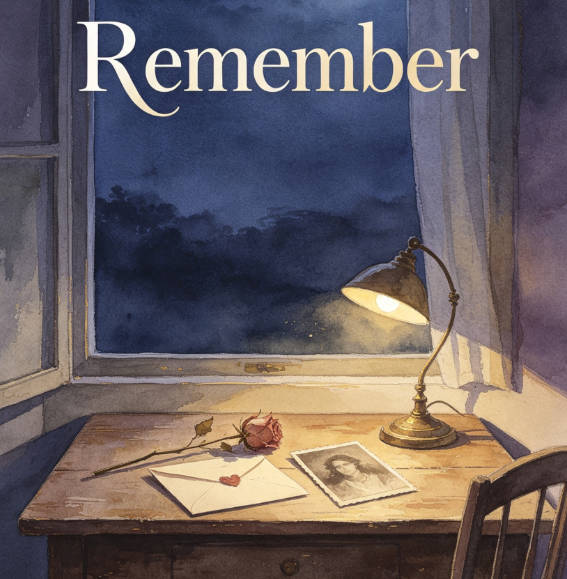
Remember
Christina Rossetti · 1862
Better by far you should forget and smile / Than that you should remember and be sad.
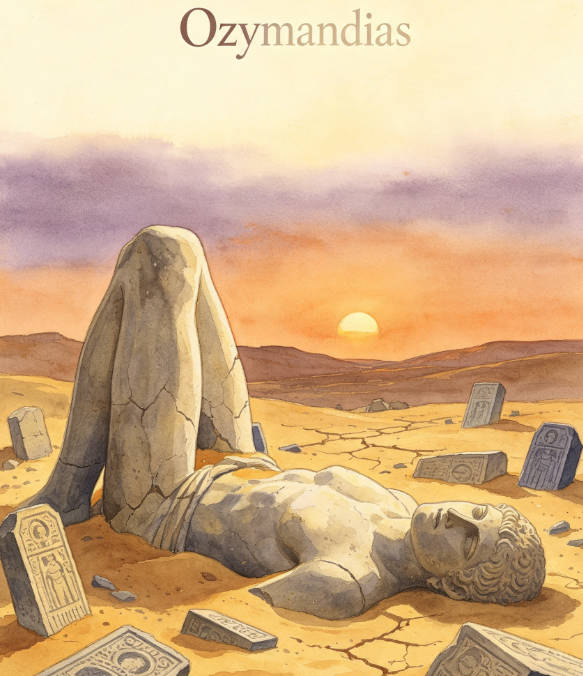
Ozymandias
Percy Bysshe Shelley · 1818
My name is Ozymandias, King of Kings; / Look on my Works, ye Mighty, and despair!
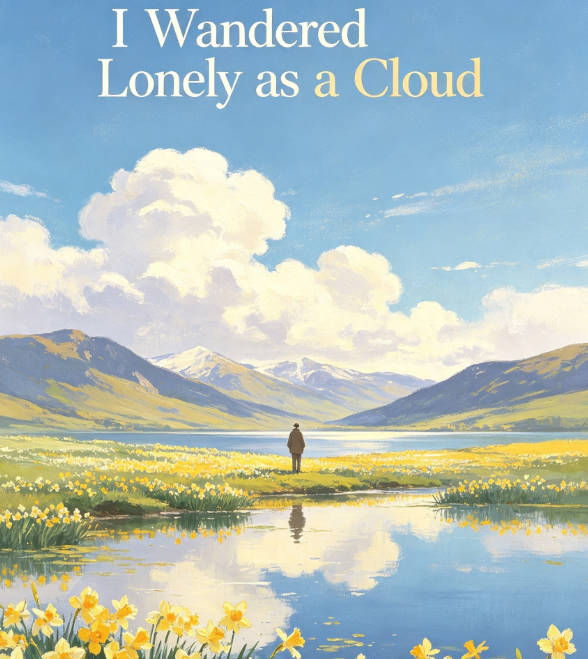
I Wandered Lonely as a Cloud
William Wordsworth · 1807
I wandered lonely as a cloud / That floats on high o'er vales and hills...
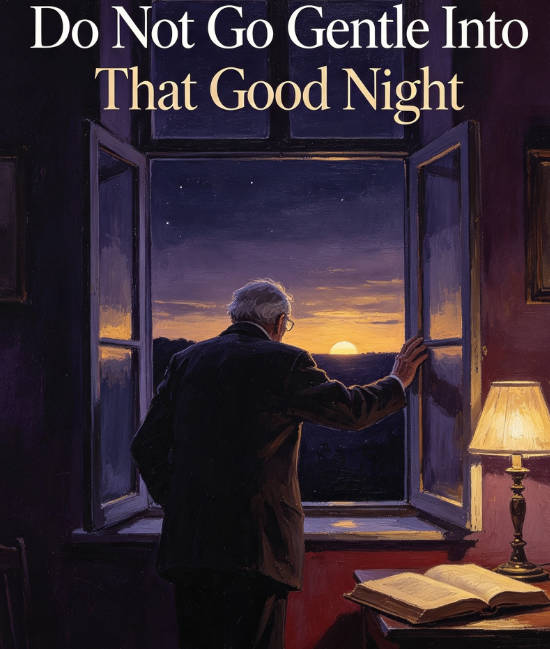
Do Not Go Gentle Into That Good Night
Dylan Thomas · 1951
Do not go gentle into that good night, / Rage, rage against the dying of the light.
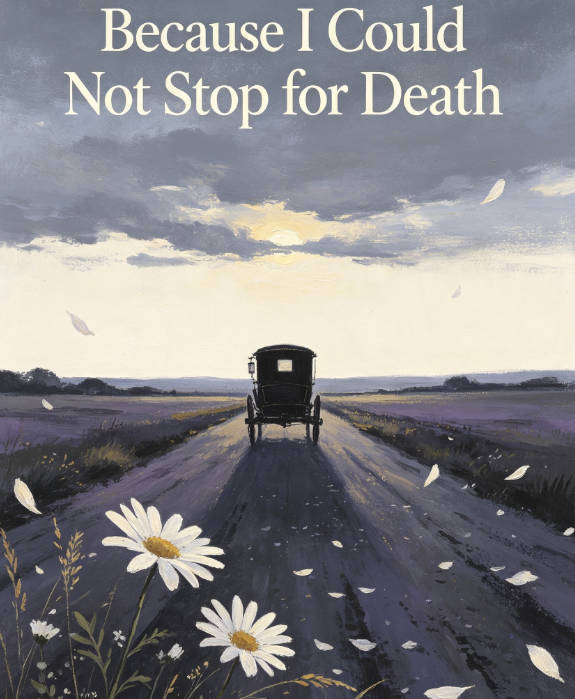
Because I Could Not Stop for Death
Emily Dickinson · c. 1863
Because I could not stop for Death— / He kindly stopped for me—
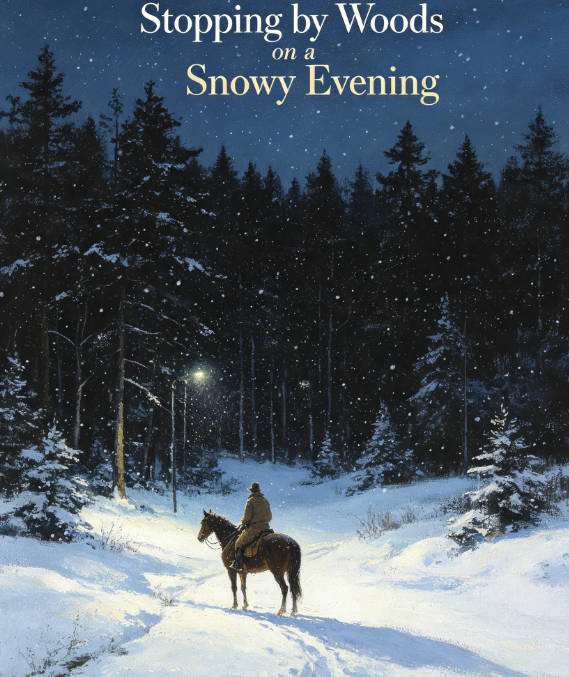
Stopping by Woods on a Snowy Evening
Robert Frost · 1923
The woods are lovely, dark and deep, / But I have promises to keep...
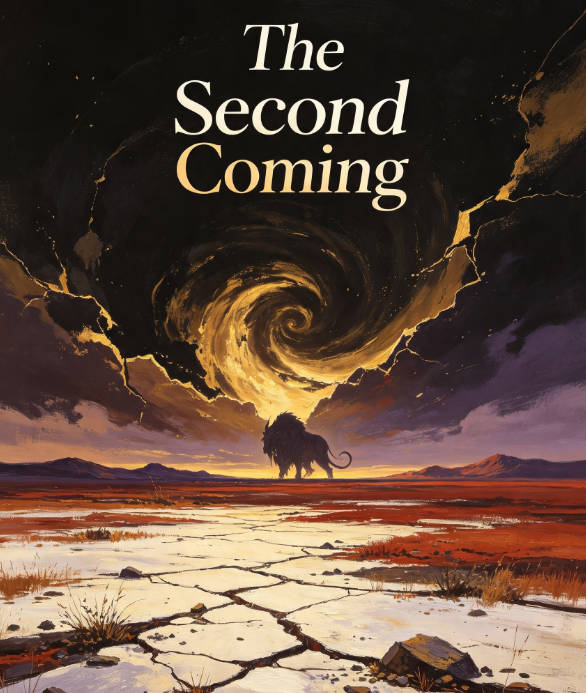
The Second Coming
W. B. Yeats · 1919
Things fall apart; the centre cannot hold; / Mere anarchy is loosed upon the world...
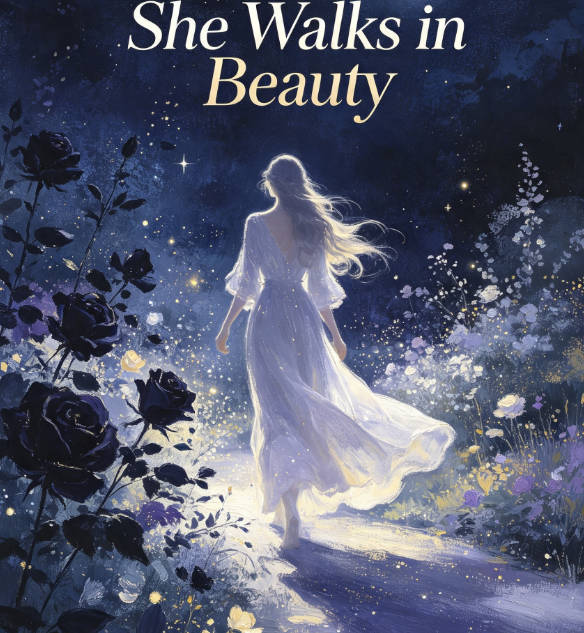
She Walks in Beauty
Lord Byron · 1814
She walks in beauty, like the night / Of cloudless climes and starry skies...
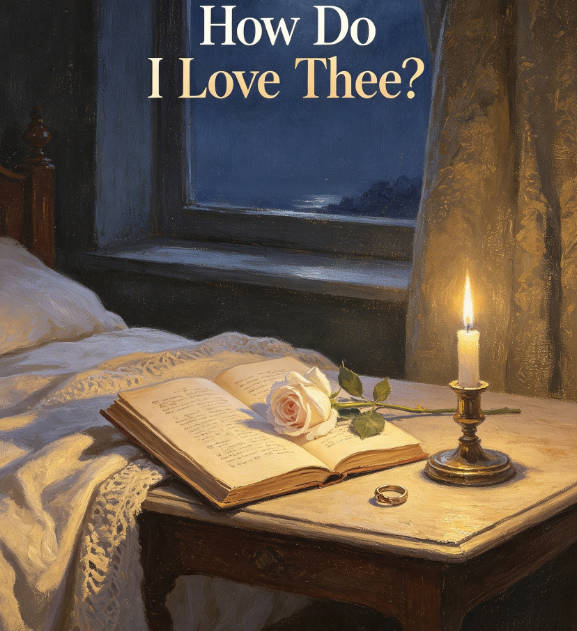
How Do I Love Thee? (Sonnet 43)
Elizabeth Barrett Browning · 1850
How do I love thee? Let me count the ways. / I love thee to the depth and breadth and height...

The Tyger
William Blake · 1794
Tyger Tyger, burning bright, / In the forests of the night...
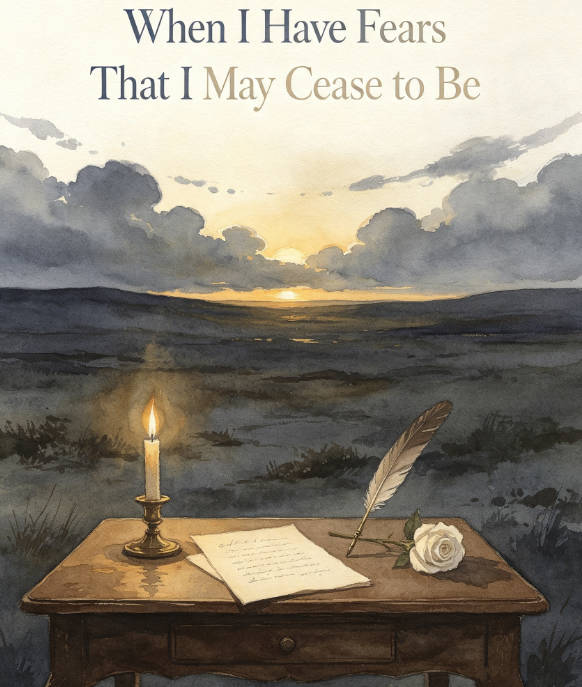
When I Have Fears That I May Cease to Be
John Keats · 1818
When I have fears that I may cease to be / Before my pen has gleaned my teeming brain...
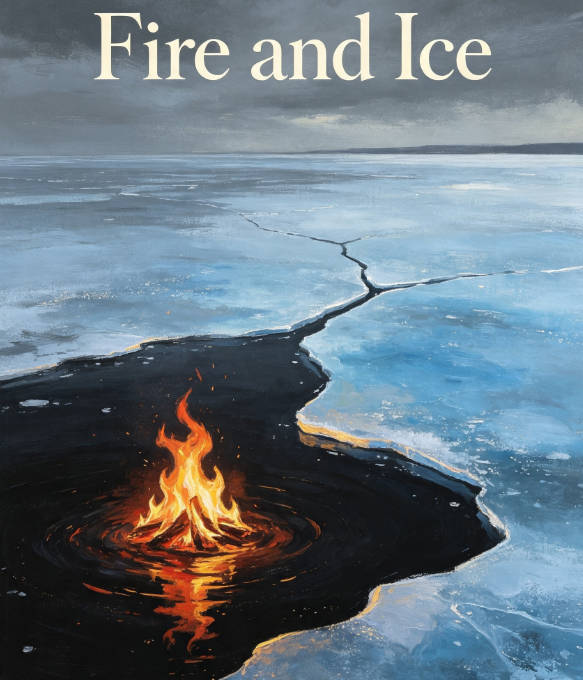
Fire and Ice
Robert Frost · 1920
Some say the world will end in fire, / Some say in ice.
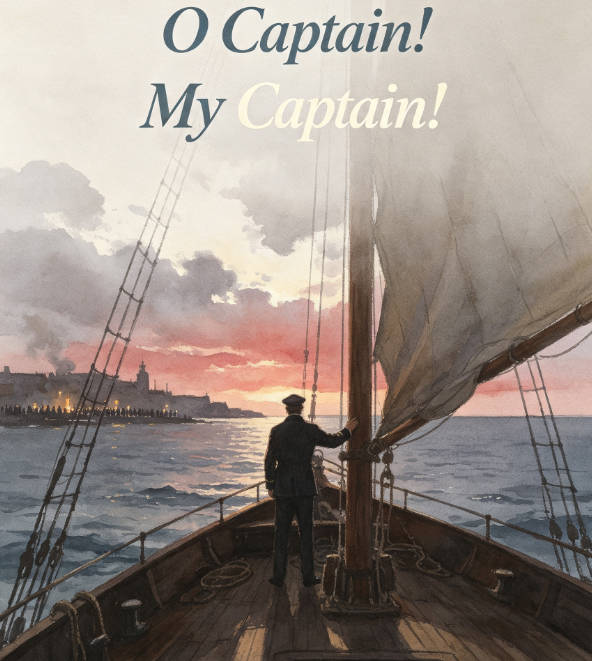
O Captain! My Captain!
Walt Whitman · 1865
O Captain! my Captain! our fearful trip is done, / The ship has weather'd every rack...
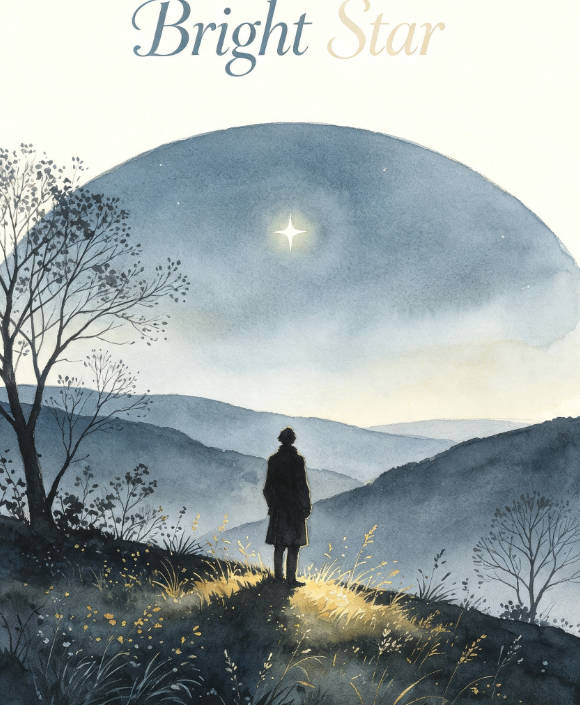
Bright Star
John Keats · 1819
Bright star, would I were stedfast as thou art— / Not in lone splendour hung aloft the night...
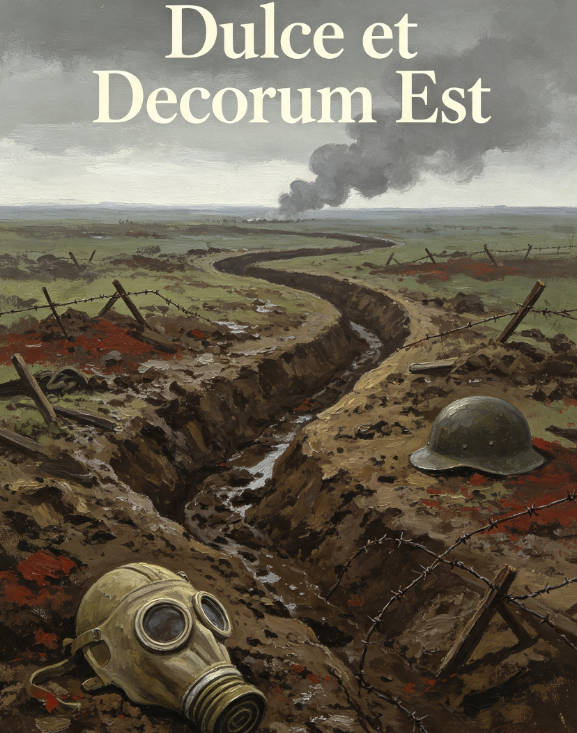
Dulce et Decorum Est
Wilfred Owen · 1917
Bent double, like old beggars under sacks, / Knock-kneed, coughing like hags, we cursed through sludge...
Ode to a Nightingale
John Keats · 1819
My heart aches, and a drowsy numbness pains / My sense, as though of hemlock I had drunk,
London, 1802
William Wordsworth · 1802
Milton! thou shouldst be living at this hour: / England hath need of thee: she is a fen
When You Are Old
W. B. Yeats · 1893
When you are old and grey and full of sleep, / And nodding by the fire, take down this book,
Wild Nights— Wild Nights!
Emily Dickinson · c. 1861
Wild Nights— Wild Nights! / Were I with thee / Wild Nights should be / Our luxury!
London
William Blake · 1794
I wander thro' each charter'd street, / Near where the charter'd Thames does flow,
O Me! O Life!
Walt Whitman · 1860
O me! O life! of the questions of these recurring, / Of the endless trains of the faithless, of cities fill'd with the foolish,
Annabel Lee
Edgar Allan Poe · 1849
It was many and many a year ago, / In a kingdom by the sea, / That a maiden there lived whom you may know / By the name of Annabel Lee;
Jabberwocky
Lewis Carroll · 1871
'Twas brillig, and the slithy toves / Did gyre and gimble in the wabe:
If—
Rudyard Kipling · 1910
If you can keep your head when all about you / Are losing theirs and blaming it on you,
Desiderata
Max Ehrmann · 1927
Go placidly amid the noise and the haste, and remember what peace there may be in silence.
What Is This Library?
This is a curated collection of classic poems in the public domain. Each poem includes three layers of annotation: a plain-English meaning that explains what the poem says, a close reading that shows how it says it, and craft notes that explain what a working poet can learn from it.
The poems are grouped by theme: love, nature, life, sad, friendship and inspirational. Use the category buttons above to filter the view, or browse the full collection. Each poem has its own page where you can read the full text, see the analysis, and learn about the poet's technique.
How to Use These Annotations
Read the poem first. Do not jump to the analysis until you have sat with the poem on your own. Let it confuse you. Let it surprise you. Your first reading is the one that matters most — later readings are always influenced by what you have been told the poem means.
Use the meaning as a starting point. The plain-English explanation is not the final word. It is a way in. If you read it and think "that is not what I saw", trust your reading. Good poems hold multiple meanings at once.
Study the craft notes to steal technique. Every poem in this library has something to teach about line breaks, imagery, sound, structure or voice. The craft notes point out what the poet did and how you might do something similar in your own work. Technique is not plagiarism — it is how traditions continue.
Read closely, then write your own. The best use of a poetry library is to inspire new work. After you have read a poem and its annotations, set it aside and write something that uses one of its techniques. The result will be yours, not a copy, because your subject and voice are different from the original poet's.
Why Public Domain Matters
All poems in this library are in the public domain, which means you can quote them, reprint them, adapt them and perform them without asking permission or paying fees. You can use lines from these poems as epigraphs, you can set them to music, you can translate them into other languages, and you can respond to them in your own writing.
The craft notes and analyses on this site are original to opalynx.cc and may not be republished in bulk without permission. But the poems themselves belong to everyone. That is what public domain means: a common inheritance, kept alive by each generation that reads it and makes it new.
The Three Layers of Every Entry
Every poem in this library is annotated in three distinct layers, each designed for a different kind of reader. Understanding what each layer does will help you get more out of the time you spend here.
Meaning. A single paragraph that restates what the poem says in plain English. This is not an interpretation — it is a baseline. If you read a poem and feel lost, the meaning section gives you a foothold. If you already understood the poem, skip it. The meaning section exists for the reader who needs a map before they enter the room.
Analysis. A close reading that pays attention to how the poem works: which words carry weight, where the turn happens, what the form contributes, what the poem gains by leaving things out. The analysis does not tell you what the poem means so much as show you where the meaning is made — the hinges, levers, and load-bearing lines that hold the poem together. After reading the analysis, go back to the poem and check whether you can see what the analysis describes.
Craft notes. Short, practical directives aimed at writers. Each note isolates one technique the poem demonstrates and suggests how you might adapt it for your own work. Craft notes are not rules — they are observations about what worked in a specific poem, offered as starting points rather than prescriptions.
How the Collection Is Organised
Poems are sorted into eight thematic categories, but no poem belongs to only one. A love poem can also be a nature poem; a sad poem can also be an inspirational one. The categories are entry points, not definitions — use them to find poems by mood, not to understand what a poem is allowed to be.
Love Poems cover romantic attachment in all its stages: courtship, commitment, loss, and the long aftermath. Nature Poems use landscape and season as either subject or metaphor. Life Poems address the large questions — mortality, purpose, choice — without fitting neatly into the other categories.
Sad Poems sit with grief, heartbreak and regret without rushing to resolve them. Friendship Poems examine the quieter bonds that sustain a life. Inspirational Poems offer defiance, hope or resolve — not comfort, but momentum. Short Poems are brief enough to memorise, and Famous Poems are the ones most likely to appear in anthologies and classrooms.
Reading Poetry Aloud
Poetry was oral before it was written, and many poems only fully arrive when spoken. If a poem feels opaque on the page, try reading it out loud. The ear catches things the eye misses: the shift in rhythm at a volta, the weight of a repeated sound, the tiny pause a comma forces that changes the meaning of a line.
Read slowly. Read at the pace of breath, not the pace of scanning. If a line ends without punctuation, let your voice carry across the break rather than dropping it — the poet chose enjambment for a reason, and the reason is often felt rather than stated. If a line ends with a period or comma, pause. The silence is part of the poem.
Do not try to perform. Read the way you would read a letter from someone you trust — plainly, without emphasis you have not earned. The poem will do the work. Your job is only to give it enough air to move.
A Note on Translation
Several poems in this library were not written in English. The Pablo Neruda entry uses W. S. Merwin's translation, and the Bashō haiku appears in a common English rendering. Every translation is an interpretation: the translator chooses which qualities of the original to preserve — sound, sense, image, rhythm — and which to let go.
If a translated poem moves you, seek out other translations of the same poem and compare them. You will find that the differences are not errors but arguments: each version is a case for what the translator believed the poem was really about. Reading multiple translations of the same poem is one of the fastest ways to understand how poetry works, because you can see the same skeleton dressed in different muscle.
Memorising Poems
A poem you have memorised becomes a companion. It rides with you on trains, waits with you in queues, and surfaces at moments when you need it — sometimes before you know you do. Memorisation is not a party trick; it is the oldest way humans have kept poems alive.
Start with a short poem — no more than fourteen lines. Read it aloud five times, slowly. Then cover the page and see how much you can recall. Do not worry about mistakes; the mistakes tell you which lines you have not yet understood. Go back, read those lines again, and try once more. Repeat the process over several days rather than in a single sitting. Sleep consolidates memory, and a poem learned over a week stays longer than a poem learned in an hour.
Once the poem is in your memory, revisit it occasionally. Recite it while walking or washing dishes. Let it settle into the rhythm of your body. Eventually the words will stop feeling like something you memorised and start feeling like something you simply know — the way you know your own address, except more useful.